






















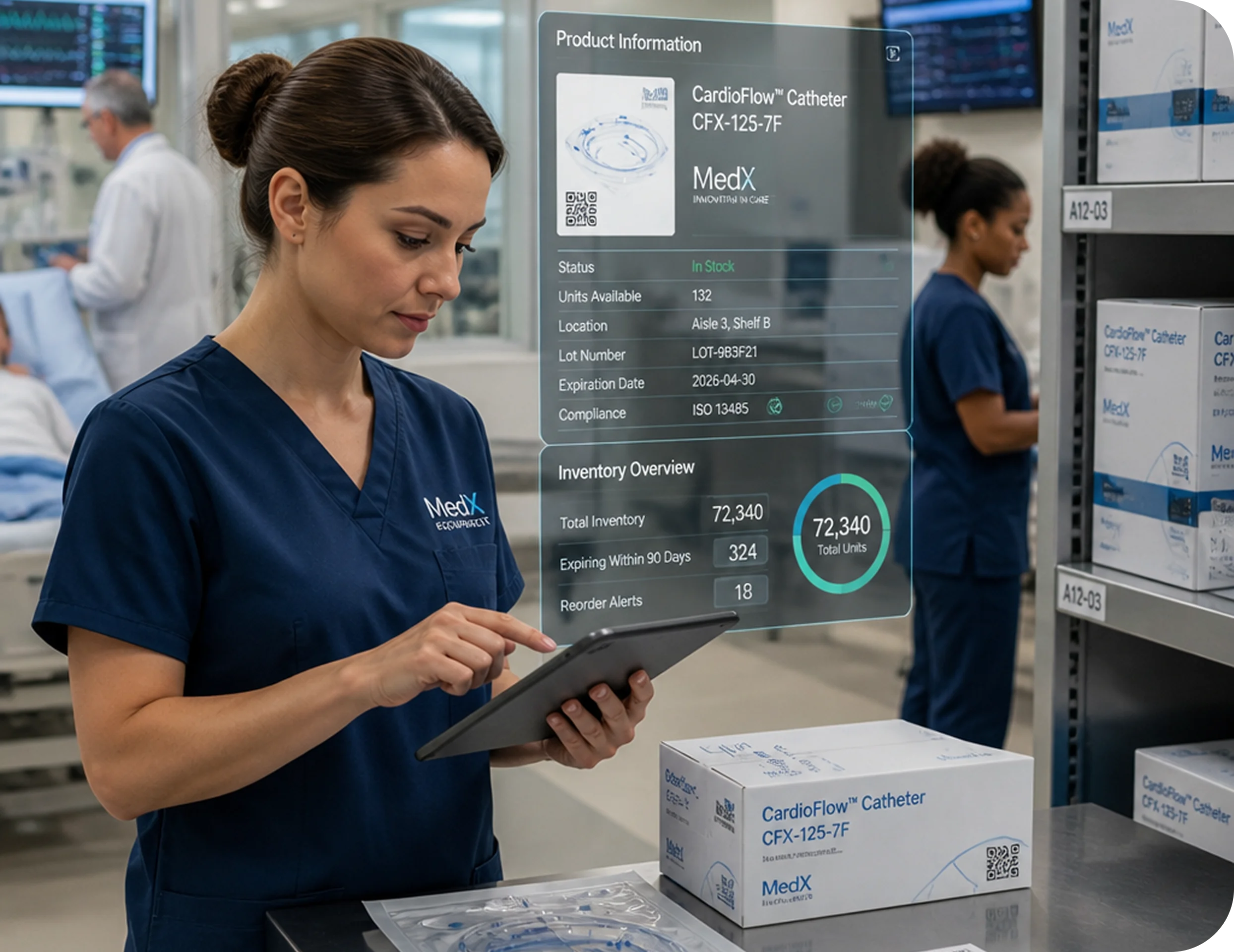
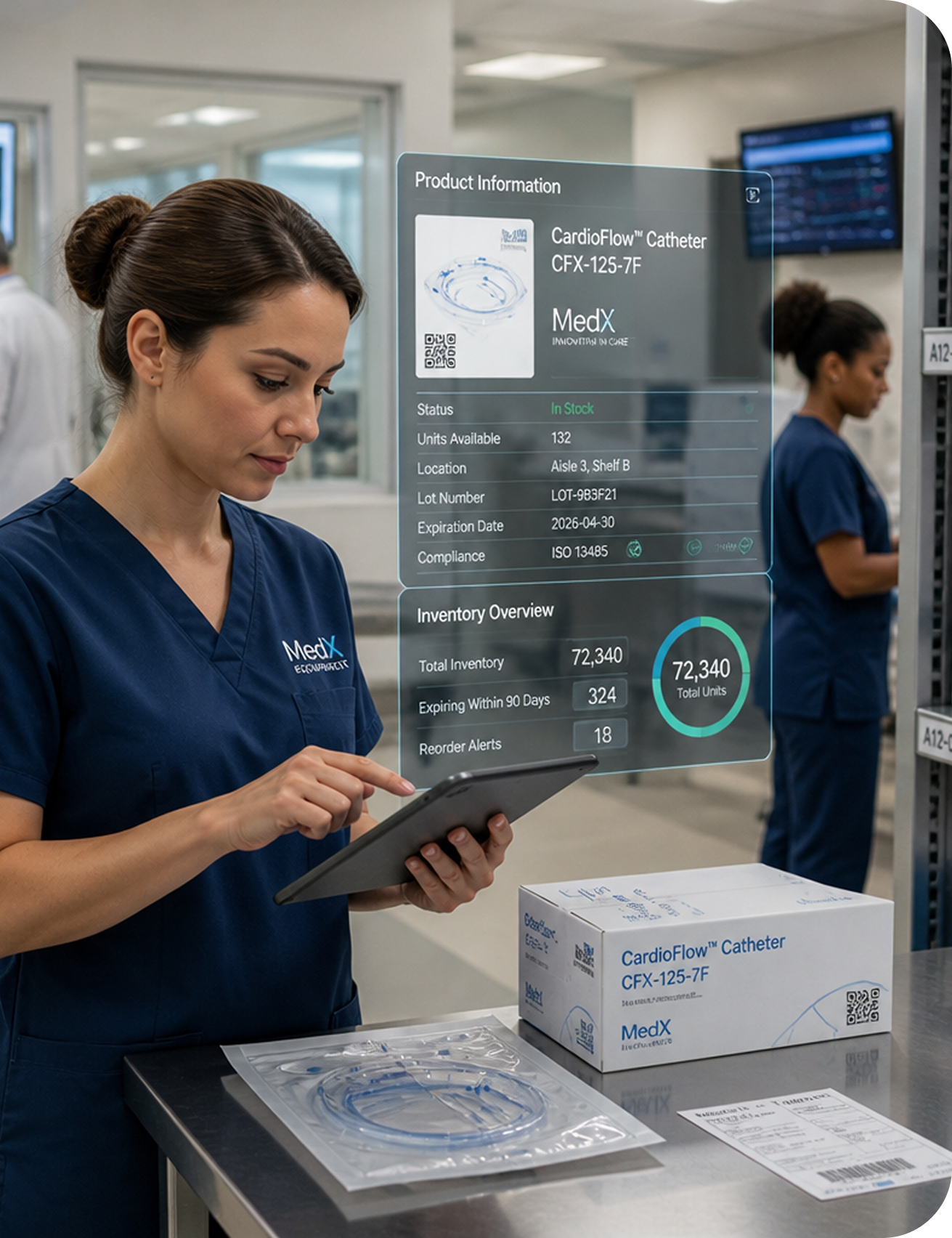





Transform, validate, and synchronize GDSN-compliant product data with your trading partners via atrify.


B. Braun implemented Innovit’s EUDAMED Connector to automate UDI submissions, enabling data onboarding from SAP, native EUDAMED-compliant data validation, and secure machine-to-machine data exchange with EUDAMED.
Get practical, step-by-step guidance that translates regulatory and database requirements into actionable tasks that help you prepare, validate, and submit compliant device data to EUDAMED.
Read a special note from Bang Chau reflecting on 25 years of bringing quality to master data, celebrating our journey, milestones, and continued commitment to data excellence in healthcare.
Centralize, enrich, and govern complex product data with a scalable PIM. Automate workflows, manage catalogs and digital assets, and deliver high-quality product information across your systems, trading partners, and global channels.
Trusted By
Leverage PIM capabilities that are optimized to address the distinct product data management requirements of device manufacturers, distributors, GPOs, and healthcare providers.
PIM
Deliver high-quality and timely product data, enriched and tailored to meet trading partner requirements, digital commerce demands, and internal system needs.
PIM
Aggregate and normalize fragmented product data from multiple sources into a unified catalog to improve contract accuracy, accelerate new item onboarding, and deliver complete, up-to-date product information to healthcare members.
PIM
Enrich product records with clinically relevant attributes, functional equivalencies, and cross-product relationships to support informed sourcing decisions, streamlined care delivery, and cost optimization across the health system.
Built to meet the security, quality, and validation expectations of regulated medical device environments, including 21 CFR Part 11, Annex 11, GAMP 5, SOC 2, and ISO 27001.
Access our high-level product, technical, hosting, and integration documentation
A high-level overview of product capabilities and use cases addressed by our PIM solution for Medical Device Manufacturers, Distributors, GPOs, and Healthcare Providers.
An overview of the system architecture, underlying technology stack, and system compatibility requirements needed to deploy and operate the PIM solution.
Guidance on integrating Innovit’s PIM solution into your enterprise landscape today, with current and future integration options.
A summary of Innovit’s PIM cloud hosting options, underlying architecture, and included services supporting secure, reliable, and compliant operation.
Innovit supports multiple implementation models, ranging from self-directed setup to dedicated implementation consulting service aligned with product tier and complexity.
For Starter Tier
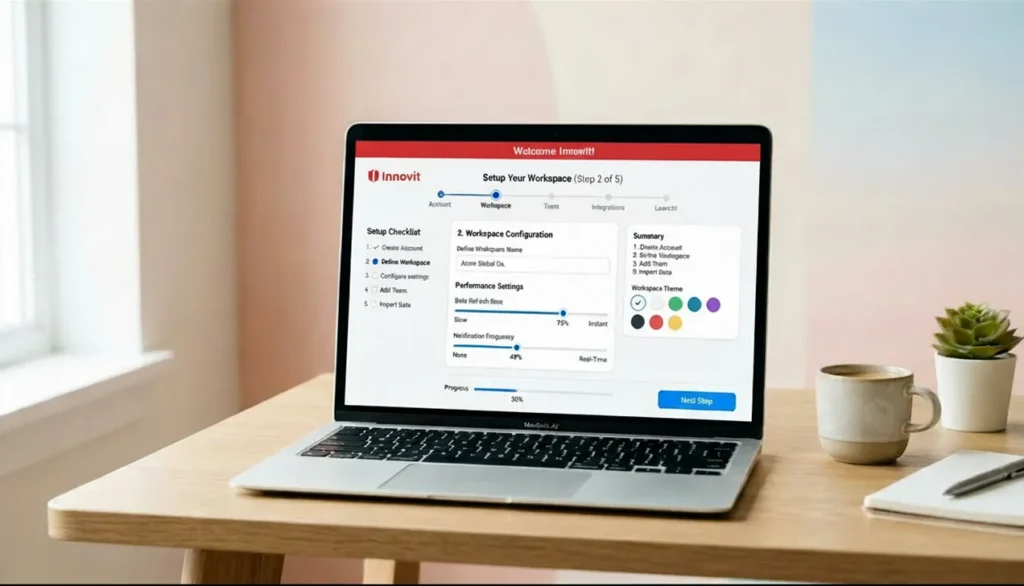
Get up and running quickly with self-guided onboarding tools designed for rapid setup, configuration, and rapid time-to-value.
For Advanced and Professional Tiers
Work with Innovit experts through a guided implementation process tailored for advanced configuration requirements, integrations, and project scope.
Innovit offers flexible pricing across Starter, Advanced, and Professional tiers—scaling from everything from simple product data management to advanced, enterprise deployments based on requirement scope, integration needs, and usage.
What Our Customers Say
Reduced Sourcing Cost
Supply Chain Resilience
Better Patient Care
Customer Success Story
A leading healthcare provider faced the complex challenge of identifying clinically equivalent medical products while navigating fragmented global classification standards and ongoing supply chain uncertainty. They needed accurate, validated product data to enable efficient product sourcing, streamline supply chain, and ensure uninterrupted, high-quality patient care.
By implementing Innovit’s PIM, the hospital aggregated product data from multiple sources including GUDID, GDSN and Vizient; matched, de-duplicated and standardized data; simplified the identification of clinically equivalent substitutes; enabled multi-standard classification; and powered supply chain and clinical workflows with clean and trusted product data.
Reliable Data
Quality
Increased
Efficiency
Accelerated
Compliance
Product Information Management (PIM) centralizes and manages product data such as taxonomies, attributes, relationships, catalogs and digital assets. It ensures product information is accurate, complete, and optimized for distribution across systems, partners, and channels.
Healthcare organizations manage complex product data across manufacturers, distributors, and providers. PIM helps with the aggregation, enrichment and distribution of clean product data to facilitate digital commerce, improve supply chain coordination, and facilitate better clinical care.
PIM systems manage product attributes, technical specifications, classifications, catalog hierarchies, product relationships, digital assets and channel-specific content.
PIM improves product data quality by providing native capabilities for data matching, de-duplication, data cleansing, and data validation. Furthermore, it provides governance and stewardship workflows to ensure only product records that are complete, accurate, and validated are shared with the relevant channel.
PIM enables organizations to manage product taxonomies as well as catalogs that are used to categorize products for different business functions including e-commerce, procurement, financial reporting and others.
PIM platforms often include supplier portals and onboarding workflows that allow suppliers to submit and update product data in structured formats. Data validation and normalization rules help standardize supplier-provided data before it enters internal catalogs.
Yes. Many PIM platforms include integrated Digital Asset Management (DAM) capabilities that store and manage product images, videos, IFUs, and other documents. They also provide configurable workflows to onboard, manage and publish digital assets.
PIM allows organizations to enrich and personalize product data for different channels, including distributor portals, marketplaces, eCommerce platforms, and internal systems, ensuring each channel receives product data in its desired format and data exchange method.
Yes. Innovit PIM supports multi-lingual data maintenance and localization workflows, enabling organizations to manage and publish localized attributes and translations required for different geographic markets.
PIM focuses on personalizing product information for different channels, customers, and markets by enriching product records with detailed attributes, descriptions, images, and localized content. Product MDM focuses on standardizing core product data across enterprise systems, ensuring consistent product identifiers, structures, and relationships across ERP, supply chain, and operational systems.
Move beyond disconnected systems to a centralized PIM solution that ensures trusted product data, operational efficiency, and consistent product information across internal and external stakeholders.
We use cookies and similar technologies to enhance your browsing experience, analyze website traffic, personalize content, and improve our services. Some cookies are essential for the website to function, while others help us understand how our site is used. You can accept all cookies, reject non-essential cookies, or manage your preferences at any time.
For more information about how we use cookies, please read our Cookie Policy.